 Queensland Aphasia Research Centre (QARC)
Optimising the lives of people with Aphasia
International aphasia awareness campaign: Implementation of a unified, international, co-designed aphasia awareness campaign
This project will deliver the first unified international aphasia awareness campaign. The campaign was co-designed with people with aphasia and the international aphasia community during Claire Bennington's PhD. Three studies involved 466 people living and working with aphasia across 40 countries. The resulting blueprint targets the general public, explains what aphasia is and is not, shows how to communicate with a person with aphasia, and carries the tag line Recognise Respond Respect.
 Aims of the research
The campaign aims to address persistently low public awareness of aphasia through coordinated, evidence‑based messaging and internationally scalable communication strategies.
Background
Aphasia awareness is poor worldwide, and misinformation has made it worse. Across 21 studies in 20 countries, most people had not heard the word "aphasia" and fewer than one in ten had basic knowledge of it. Coverage of Bruce Willis' diagnosis briefly lifted awareness, then damaged it when media reported that his aphasia had progressed into dementia. Awareness campaigns to date have used inconsistent messages, branding and timing, have rarely involved people with aphasia in their design, and have mostly reached people who already know about aphasia.
Expected outcomes
The campaign will be launched globally in June 2027 for Aphasia Awareness Month.
What will the research involve
The team will co-develop animated videos and infographics with people with aphasia and media professionals, translate them into as many languages as possible through the Collaboration of Aphasia Trialists, house them centrally, recruit campaign champions in as many countries as possible, and launch globally on a single date. Evaluation will measure media reach, engagement, downloads and champion feedback.
How to be involved
Show your support for international aphasia awareness campaign by:
- telling your communities about the campaign
- sign up to our mailing list
- volunteering to be a campaign champion
- staying informed about the campaign plans and progress by following our Recognise Aphasia Facebook page
- participating in the campaign during Aphasia Awareness Month 2027 and spreading the word.
 Contact
 Dr Claire Bennington to learn more.
Funding
The Tavistock Trust for Aphasia
Match the Momentum: Unite for Aphasia Awareness - JustGiving
Acknowledgements
Funding
- Claire Bennington was supported by an Australian Government Research Training Program Scholarship during her PhD.
- The involvement of Emma and Kim Beesley was supported by the Queensland Aphasia Research Centre, which is funded by the Bowness Family Foundation and an anonymous donor.
- The involvement of our co-designers with lived experience of aphasia was supported by a Health Translation Queensland Consumer and Community Involvement (CCI) Microgrant
- Sarah J. Wallace receives funding from the National Health and Medical Research Council (1175821 & 2032983) .
We acknowledge all those who have contributed to this work, including:
- Dr Ciara Shiggins & Dr Tanya Rose, advisors on Claire Bennington’s PhD.
- The campaign co-design team: Emeritus Professor Jean-Marie Annoni, Ms. Jude Czerenkowski, Ms. Carly Davey (expert with lived experience), Associate Professor Natalie Douglas, Ms. Alexia Kountouri (expert with lived experience), Ms. Caitlin Longman, Dr Apoorva Paurinak, Ms. Sarah Scott Dickens (expert with lived experience), & Ms Kathryn Shelley.
- Our international collaborators: Dr Oscar Aguilar, Dr Emily Guo, Dr Yina Quique, Emeritus Professor Nina Simmons-Mackie, & Emeritus Professor Linda Worrall
- All the participants living and working with aphasia internationally who contributed data to Claire Bennington’s PhD.
All those who donated generously to our Match the Momentum JustGiving Campaign.
Publications
Bennington, C., Shiggins, C., Isaksen, J., Beesley, E., Beesley, K, Annoni, J-M., Czerenkowski, J., Davey, C., Douglas, N., Kountouri, A., Longman, C., Pauranik, A., Scott, S., Shelley, K. and Wallace, S.J. (2026). Co-design of a Unified, International Aphasia Awareness Campaign. https://doi.org/10.1111/hex.70658
Bennington, C., Isaksen, J., Shiggins, C., Beesley, E., Beesley, K., Simmons-Mackie, N., … Wallace, S. J. (2025). International priorities for a unified aphasia awareness campaign: a nominal group technique study across five countries. Disability and Rehabilitation, 1–21. https://doi.org/10.1080/09638288.2025.2510558
Bennington, C., Shiggins, C., Isaksen, J., Beesley, E., Beesley, K., & Wallace, S. J. (2024). What does it mean to be aphasia aware? An international survey of stakeholder perspectives and experiences of aphasia awareness. Aphasiology, 38 (12), 1916-1939. https://doi.org/10.1080/02687038.2024.2330145
Media
Partner organisations
- Association Internationale Aphasie (AIA)
- Collaboration of Aphasia Trialists (CATs)
- Aphasia Recovery Connection (ARC)
- Australian Aphasia Association (AAA)
Research team
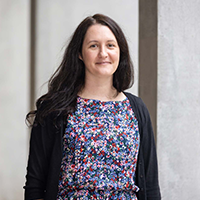
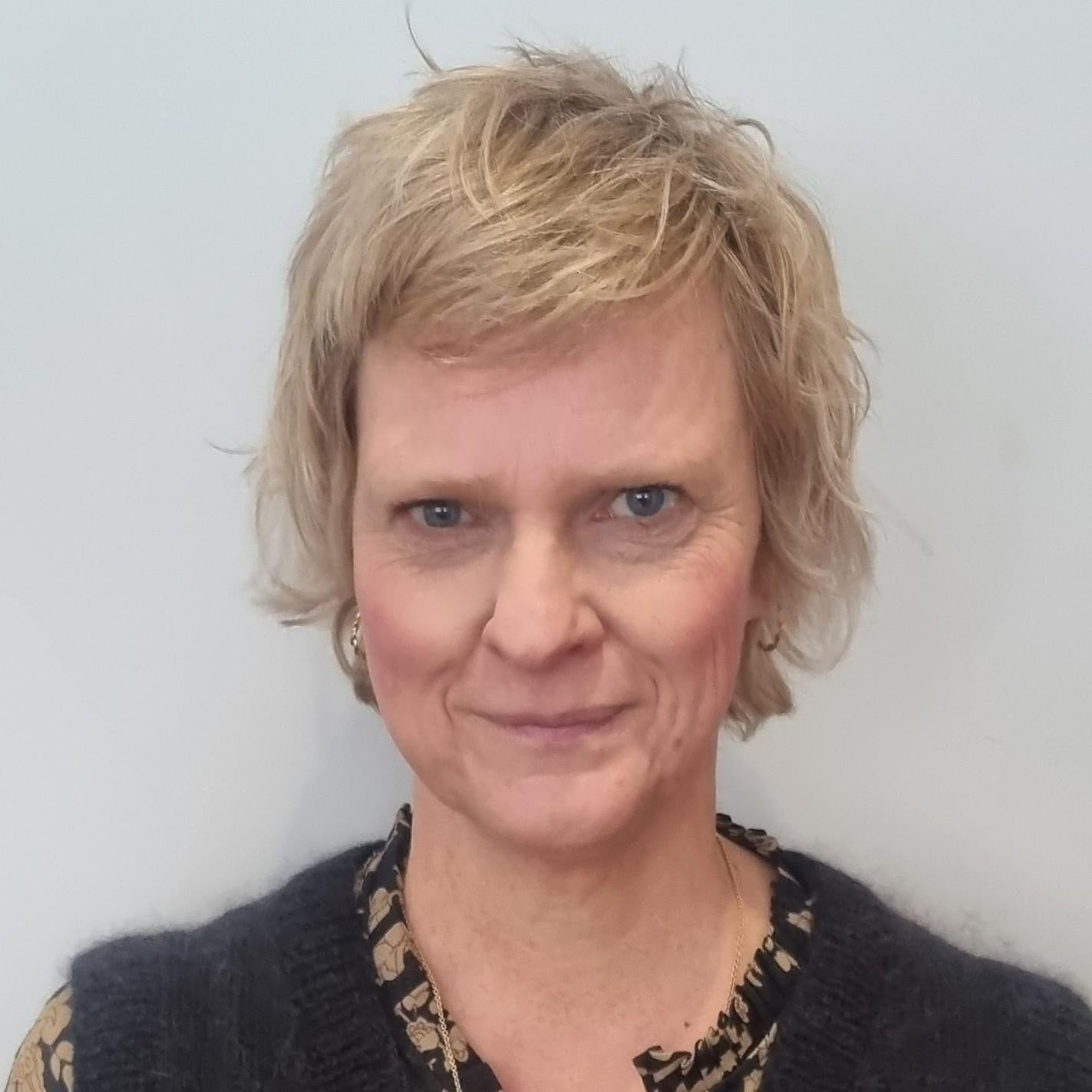
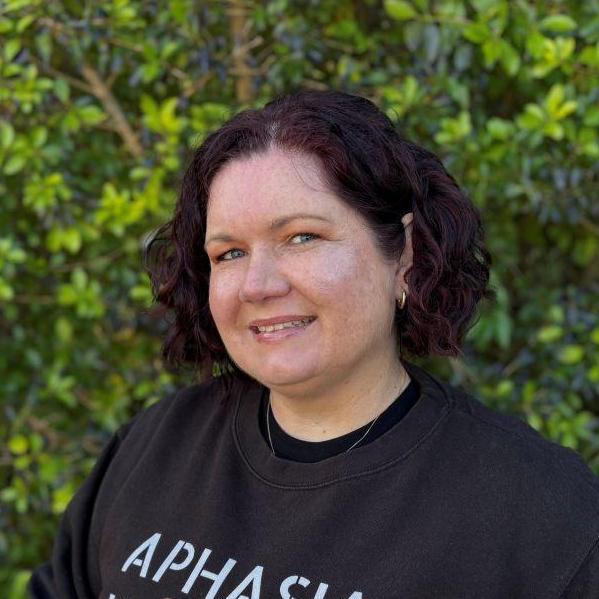
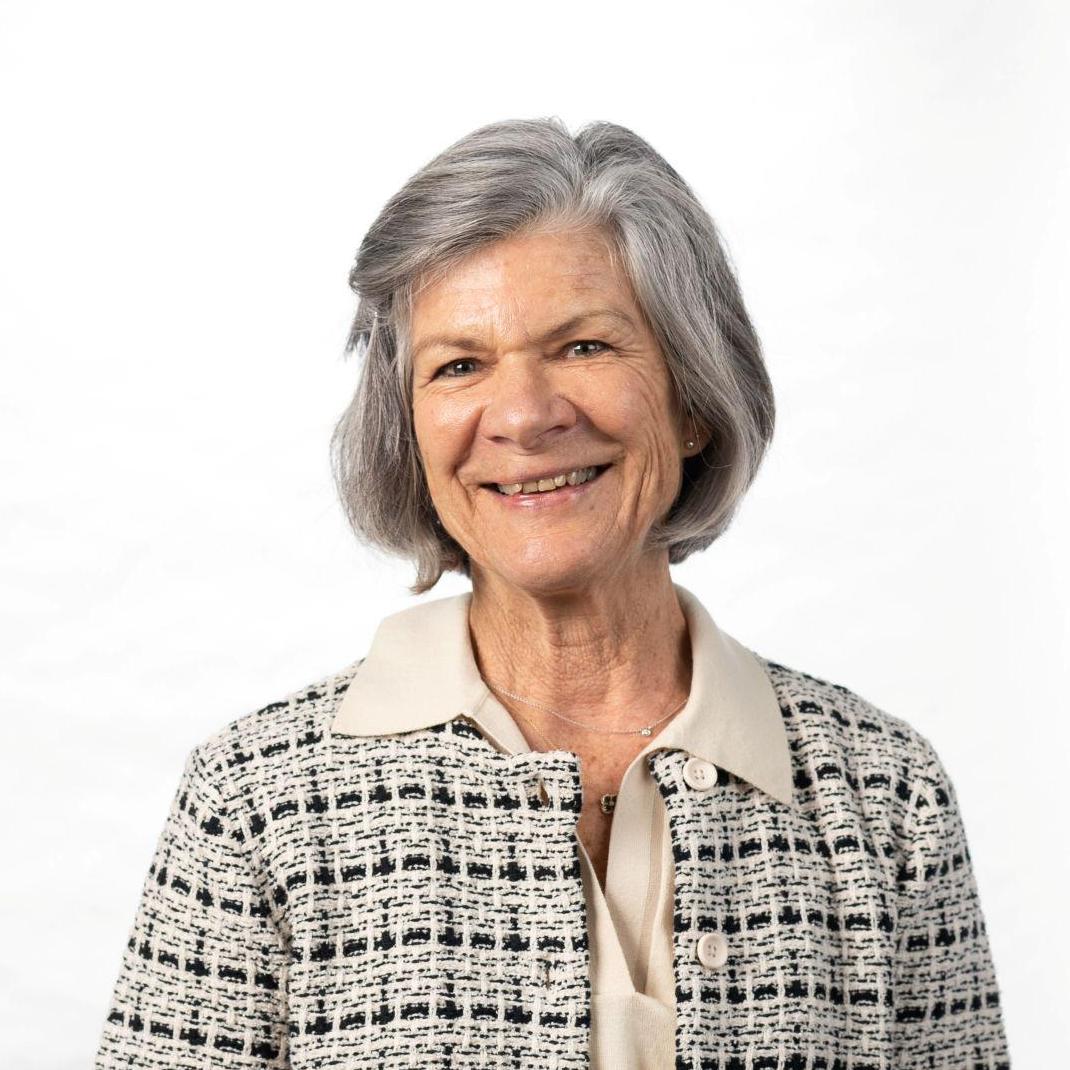
- Dr Claire Bennington
- Associate Professor Sarah J. Wallace
- Associate Professor Jytte Isaksen
- Ms Emma Beesley (advisor with lived experience, person with aphasia)
- Mrs Kim Beesley (advisor with lived experience, family member)
- Emeritus Professor Linda Worrall